
ICE under scrutiny: Its director resigns and changes in how its agents will operate are announced

ICE under scrutiny: Its director resigns and changes in how its agents will operate are announced
Image: AI
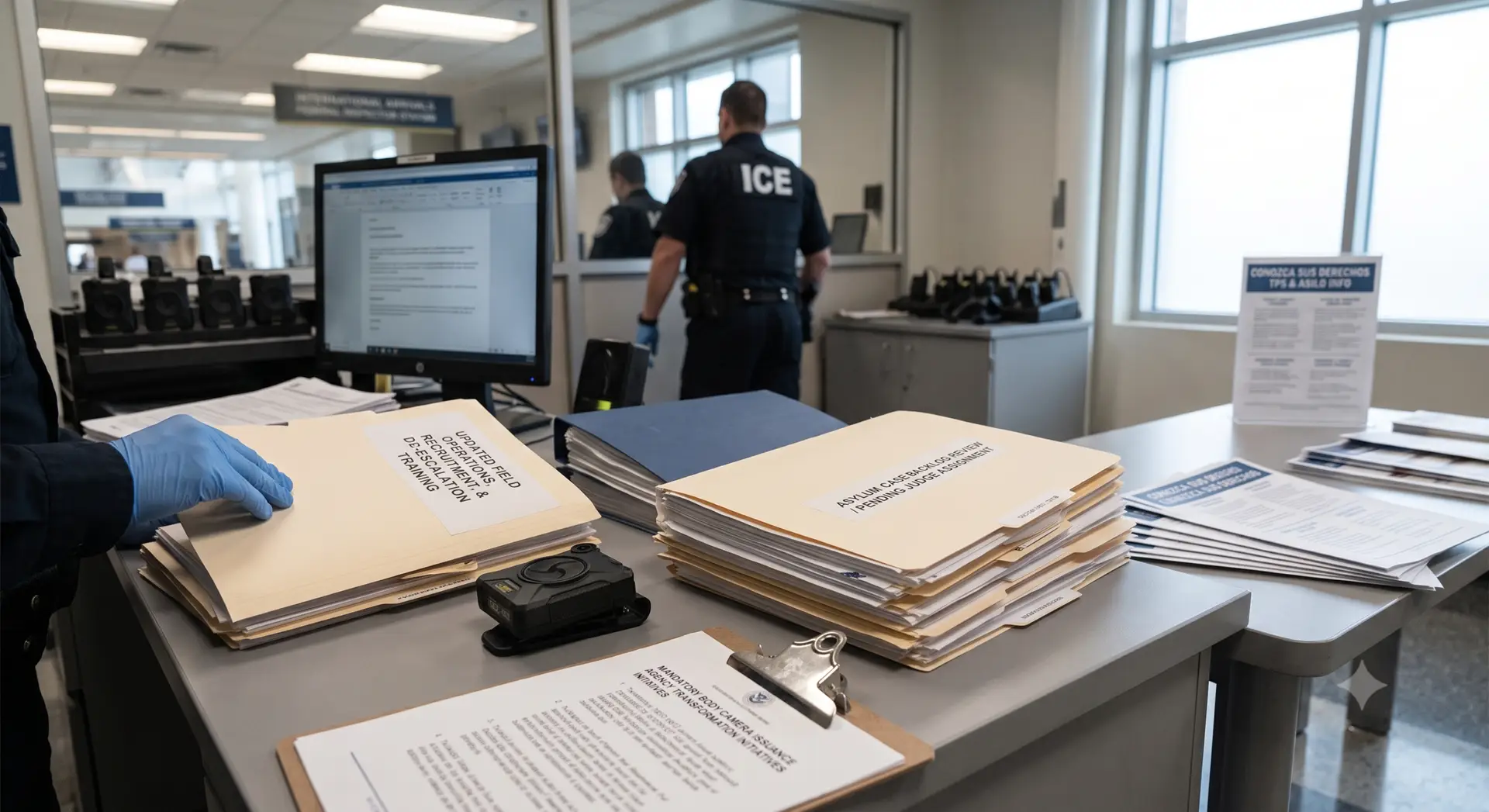
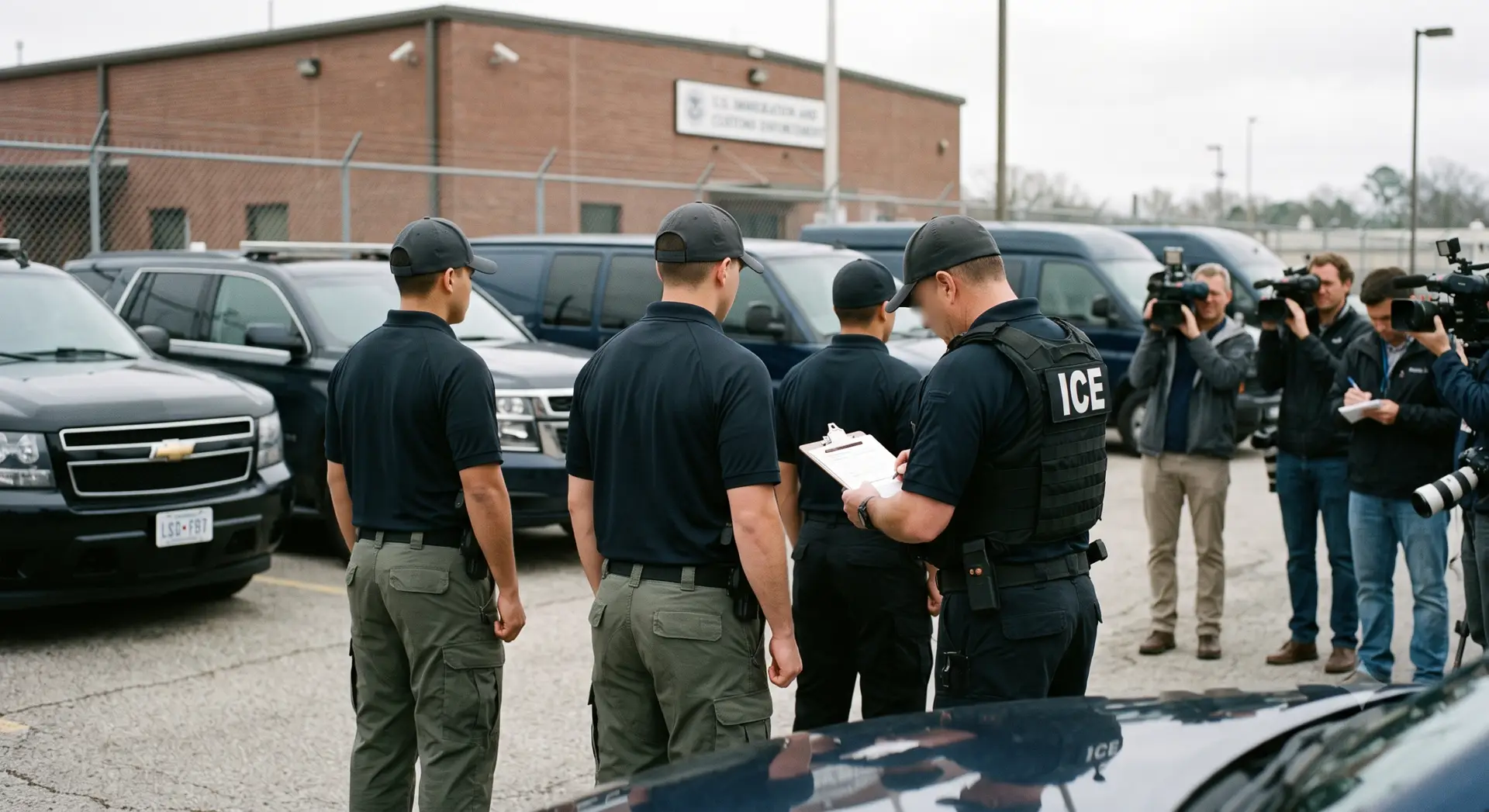
Immigration and Customs Enforcement (ICE) is undergoing significant transformations, highlighted by the resignation of Acting Director Todd Lyons amid heavy criticism over recent enforcement operations. In response to recent fatal shootings involving agents, leadership is pushing for mandatory body cameras and an overhaul of recruitment and training protocols to improve transparency. The agency is also shifting its operational tactics, including planning targeted detentions of Haitians as their Temporary Protected Status (TPS) ends, increasing visible detentions at commercial airports, and fast-tracking asylum cases directly to immigration judges to clear backlogs—a move experts warn could expedite deportations. Immigrants are advised to keep their documentation in order, attend all court hearings, and remain aware of their constitutional rights.

Immigration and Customs Enforcement (ICE) is going through a series of profound transformations that could change the way they interact with our community. Amidst resignations of high-ranking officials and new rules to accelerate court cases, it is essential that you stay informed about what is happening.

Here we tell you the most important points in a simple way:

1. ICE director resigns after heavy criticism Todd Lyons, who was serving as acting director of ICE, submitted his resignation this Monday. His departure occurs at a time of high tension and following a “wave of criticism” for the way the agency has handled its operations recently. Although exact details of his departure have not been given, the leadership change happens as immigration detentions reach their highest levels since the current offensive began.

2. Body cameras and better training for agents Due to recent shootings involving ICE agents in Texas and Maine, authorities are seeking greater transparency. Tom Homan announced that how new agents are recruited and trained will be thoroughly reviewed. Additionally, Homan has publicly stated that the use of body cameras (the ones officers wear on their uniforms) is the way forward to avoid contradictory versions when a tragedy occurs.

3. Operations focused on the Haitian community If you have relatives or acquaintances from Haiti, it is important they know that ICE is preparing specific operations to detain people of this nationality. This is because the TPS (Temporary Protected Status) benefit for Haitians is about to end, and the government has been given the green light to terminate this program.

4. Asylum cases: now they will go straight to the judge An operational change that interests you if you have a pending asylum process is that USCIS (the agency that processes permits and visas) can now skip the initial interview.

  • What does this mean? Previously, many people first spoke with an immigration officer. Now, the government can send your case directly before a judge.
  • The goal: The government says this is to reduce the backlog of more than 1.6 million cases, but lawyers warn that this will speed up deportation processes for those who do not have a strong case.

5. Presence at airports In recent weeks, there has been an increase in ICE activity at airports to carry out detentions. This has even caused annoyance for commercial airlines, as the operations occur in public places and in plain sight of all travelers.

What can you do? Given these changes in ICE’s leadership and tactics, the recommendation from experts is always the same:

  1. Keep your documents in order.
  2. Do not miss your court dates.
  3. Know your rights: Remember that you have the right to remain silent and to ask to speak with a lawyer if you are detained.

Stay tuned to our updates to know how these changes affect your procedures and your safety in the country.

Share the Post:

Related Posts

Judge orders release of key witness to fatal ICE shooting in Houston: What you need to know

Judge orders release of key witness to fatal ICE shooting in Houston: What you need to know

A Houston federal judge ordered the immediate release of José Trinidad Rojas Pliego, a key witness in the fatal shooting where an ICE agent killed Mexican contractor Lorenzo Salgado Araujo on July 7. The judge ruled that Rojas Pliego’s detention violated his constitutional right to due process. Rojas’ testimony is crucial, as it directly contradicts the government’s official self-defense narrative, labeling the claim that the driver attempted to run over the agents as a “lie.” In addition to his release, the judge ordered protections for the witness while the community and local prosecutors evaluate possible criminal charges against the federal agents involved.

Read More
realistic image for (sin rostros): Who is Watching Us? ICE Faces Vetting Crisis After Deadly Operations As the mass deportation campaign accelerates, ICE is under intense scrutiny for severe vetting failures in its rush to hire new officers. Following at least 10 fatalities during immigration encounters—including a deadly shooting in Maine by an agent with a documented history of violence—the agency has launched an internal review and mandated body cameras for all traffic stops. Despite mounting Congressional pressure and dozens of excessive force complaints, the White House continues to defend the aggressive tactics. 

Who is Watching Us? ICE in Crisis Over Security Flaws and Lack of Oversight in New Hires

As the mass deportation campaign accelerates, ICE is under intense scrutiny for severe vetting failures in its rush to hire new officers. Following at least 10 fatalities during immigration encounters—including a deadly shooting in Maine by an agent with a documented history of violence—the agency has launched an internal review and mandated body cameras for all traffic stops. Despite mounting Congressional pressure and dozens of excessive force complaints, the White House continues to defend the aggressive tactics.

Read More
en_USEN