
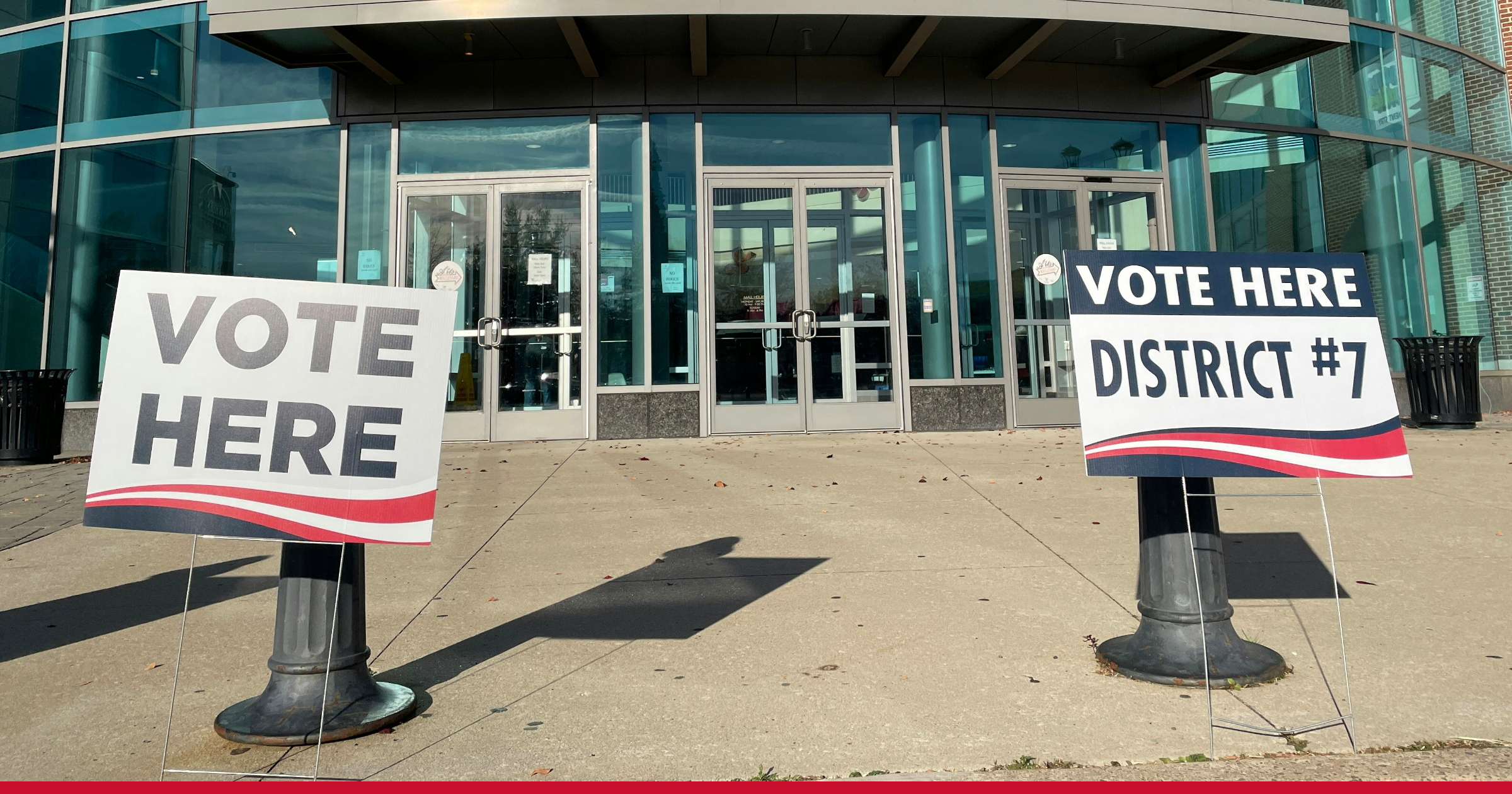
At Campos Law Firm, we closely monitor developments in U.S. immigration policy to protect our clients’ rights and future. With the midterm elections set for Tuesday, November 3, 2026, the Department of Homeland Security (DHS) says it has no plans to send Immigration and Customs Enforcement (ICE) officers en masse to polling places, according to the Associated Press (AP).
The statement is meant to reassure voters in immigrant communities, but it does not create an immunity zone around the polls. Below, we explain what we know, what we don’t, and what you can do.
What Exactly Did Officials Say?
According to AP, Homeland Security Secretary Markwayne Mullin dismissed Democrats’ concerns as fearmongering and said officers will not broadly patrol or monitor polling places. However, he did not rule out a presence in specific situations, such as serving an arrest warrant or responding to a threat.
Mullin had already laid this out to reporters in New York on September 1: “The only reason why we would be at polling places is if there is a threat to that polling place or we’re serving a warrant on someone that we have been actively tracking down,” Democracy Docket reported. AP adds that former acting ICE Director Todd Lyons and Customs and Border Protection (CBP) Commissioner Rodney Scott told Congress there were no plans to send officers to the polls.
What Does the Law Say About Armed Agents at the Polls?
A Civil War-era federal law, now 18 U.S.C. § 592, bars federal officials from bringing or keeping “troops or armed men” at any place where an election is held, except to repel armed enemies of the United States. Violations can carry up to five years in prison.
Federal law also makes it a crime to intimidate or attempt to intimidate voters (52 U.S.C. § 20511), and the Brennan Center for Justice notes that many states have similar bans. None of this stops ICE from arresting someone elsewhere or acting on a valid warrant, which is why these protections should not be mistaken for blanket immunity.
Does This Protect You From ICE?
Not completely. The DHS statement reflects the agency’s position, not a new rule or a court order. Keep these points in mind:
- Your individual situation has not changed: if you have a removal order or a pending case, the risk of arrest exists anywhere.
- Only citizens vote: only U.S. citizens may vote in federal elections. Voting or registering as a noncitizen can have serious and permanent immigration consequences.
- Naturalized citizens: you have exactly the same right to vote as any other citizen. No one can keep you from voting because of where you were born.
We cover this in detail in our article on what it means if you appear on a voter roll as a noncitizen.
What Can You Do Before November 3?
- If you are a citizen: confirm your registration, your polling place, and the ID your state requires. Consider early or mail-in voting if your state allows it.
- If you are not a citizen: do not register or vote, even if someone tells you “it’s fine.” If you received a voter card by mistake, talk to an attorney.
- If you witness intimidation: tell poll workers and call the Election Protection hotline at 866-OUR-VOTE (866-687-8683), or 888-VE-Y-VOTA (888-839-8682) for Spanish.
- If you have an open immigration case: talk to an attorney about your level of risk before accompanying relatives to crowded public places.
In a country where every decision can change your future, having the right information is your best tool. Do not make decisions based on rumors or social media posts.
Protect Your Immigration Status with Campos Law Firm
Elections bring fear and misinformation into mixed-status families. Our immigration attorneys can review your case and explain clearly what risks you actually face. Campos Law Firm is here to help you. From immigrants, for immigrants.
Do not leave your immigration status to chance. Call us today at +1 (844) 922-6767 to schedule a free, confidential consultation in English or Spanish. Campos Law Firm: Legal Solutions in All Areas of Law.