
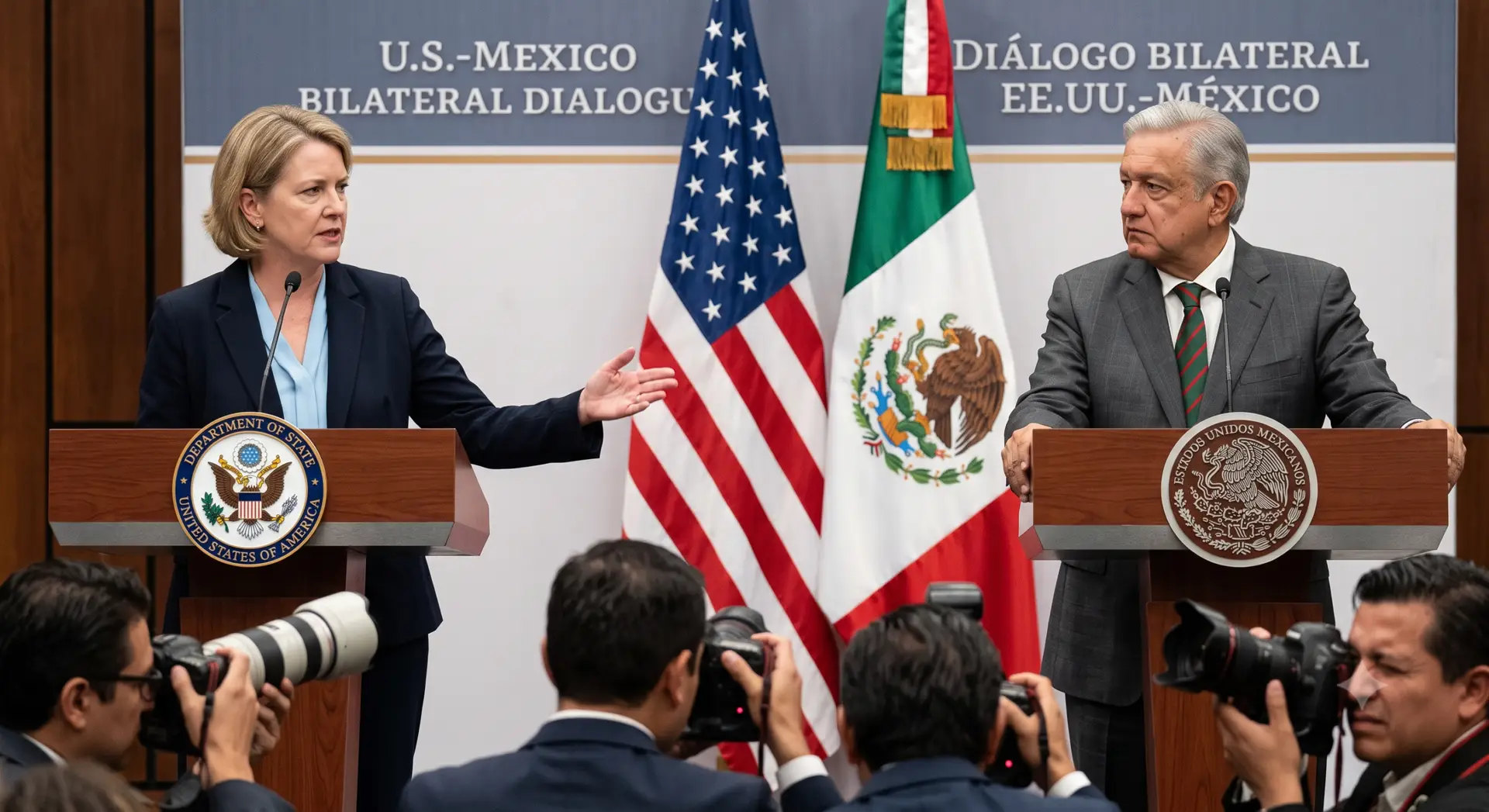
Diplomatic tensions between the governments of Mexico and the United States have escalated significantly this week following Washington’s formal rejection of Mexican complaints regarding the safety of its citizens in immigration detention centers. For our community and clients, this event highlights the importance of understanding consular protection mechanisms and the current state of human rights in the US detention system.
The Origin of the Dispute: Deaths in Custody
The controversy arises from a troubling statistic: so far this year, at least 17 Mexican migrants have died at the hands of Immigration and Customs Enforcement (ICE), either in custody or during enforcement operations. Recent incidents, such as the death of Lorenzo Salgado Araujo in Houston following an ICE operation, have fueled the controversy over the use of force and health conditions in these facilities.
A report by the organization Human Rights Watch (HRW) supports these concerns, documenting a total of 52 deaths in ICE custody over a recent period.
The “Cease and Desist” Letters
In response to these deaths, the Mexican government implemented an aggressive legal strategy. The Ministry of Foreign Affairs (SRE) sent “cease and desist” letters to private companies managing detention centers, such as the one in Adelanto, California, where four Mexicans have died.
The goal of these letters was to demand the immediate end to medical omissions, such as impeding access to prompt care, and the modification of policies contrary to prison standards. Mexico defended this action as an exercise of its consular protection function recognized by the Vienna Convention on Consular Relations.
The United States’ Response
The US State Department has taken a firm stance of rejection. Michael Kozak, an official from the Bureau of Western Hemisphere Affairs, met with Mexican Ambassador Roberto Lazzeri to formally return the protest letters. Washington argued that these communications sought to “direct the actions of United States Government personnel operating on sovereign territory.”
Kozak recommended that Mexico channel its concerns exclusively through “usual diplomatic channels.” For its part, the Mexican Embassy took note of the return but emphasized that its concerns have already been formally raised following meetings with the Department of Homeland Security (DHS) and ICE.

 English
  Spanish