

Good News: Judges Again Block $100,000 H-1B Work Visa Fee

Good News: Judges Again Block $100,000 H-1B Work Visa Fee
Image: AI
In a significant victory for employers and skilled workers, a US federal court has blocked the government's attempt to charge a massive $100,000 fee for each new H-1B visa. The ruling provides relief to businesses, hospitals, and schools that rely on the vital work permit program. Read on to learn why judges rejected the fee and what this means for the future of H-1B applications.

A US court has taken a significant step to protect workers and companies by rejecting the government’s attempt to charge 100,000 dollars for each new H-1B visa. This decision, made by three judges in Boston on July 24, means that, for now, this high payment remains suspended.

What Was Happening With These Visas?

Since last September, the government has wanted employers to pay 100,000 dollars for each professional worker they bring into the country. Before this change, companies paid between 2,000 and 5,000 dollars in processing fees.

The government stated that this increase was necessary to prevent the replacement of American workers with individuals from other countries who would work for less. However, the fee did not apply to foreign students already inside the United States.

Why Did the Judges Say No?

Several states complained, arguing that this fee was actually an “illegal tax.” The judges explained that the president cannot invent a new tax on his own, as that decision belongs solely to Congress.

Furthermore, a warning was issued that charging so much money would cause significant harm to important institutions, such as:

  • Public schools and universities.
  • Hospitals and clinics, which need doctors and specialists.

What Happens Now?

For now, employers do not have to pay this fortune to apply for these visas. Although the government can continue fighting the case in other courts, the judges decided that there is not enough evidence to allow the fee to begin operating yet.

This news provides a relief to many offices and hospitals that depend on these work permits to continue providing services to the community.
Share the Post:

Related Posts

ICE under scrutiny: Its director resigns and changes in how its agents will operate are announced

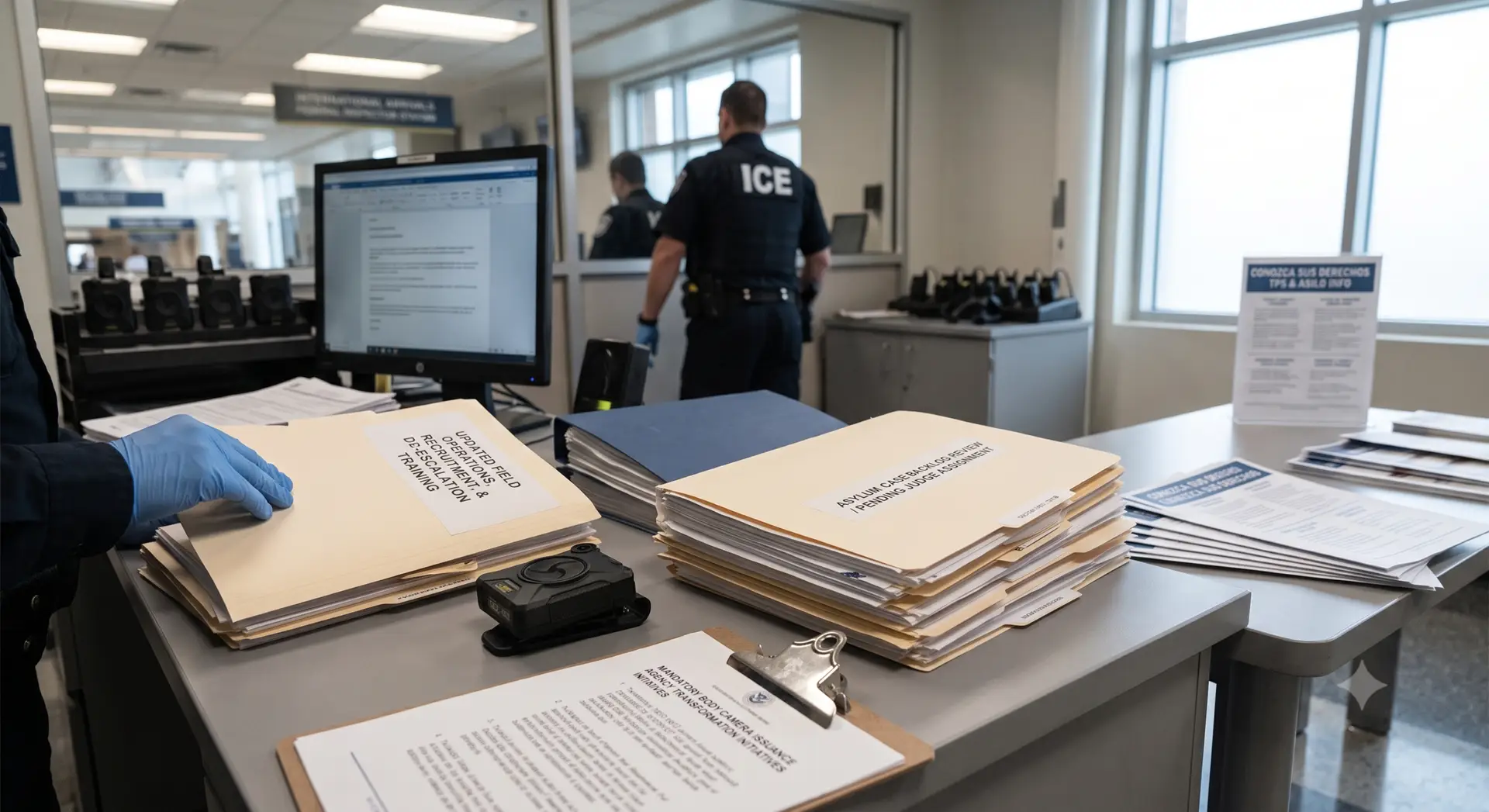
ICE under scrutiny: Its director resigns and changes in how its agents will operate are announced

Immigration and Customs Enforcement (ICE) is undergoing significant transformations, highlighted by the resignation of Acting Director Todd Lyons amid heavy criticism over recent enforcement operations. In response to recent fatal shootings involving agents, leadership is pushing for mandatory body cameras and an overhaul of recruitment and training protocols to improve transparency. The agency is also shifting its operational tactics, including planning targeted detentions of Haitians as their Temporary Protected Status (TPS) ends, increasing visible detentions at commercial airports, and fast-tracking asylum cases directly to immigration judges to clear backlogs—a move experts warn could expedite deportations. Immigrants are advised to keep their documentation in order, attend all court hearings, and remain aware of their constitutional rights.

Read More
Judge orders release of key witness to fatal ICE shooting in Houston: What you need to know

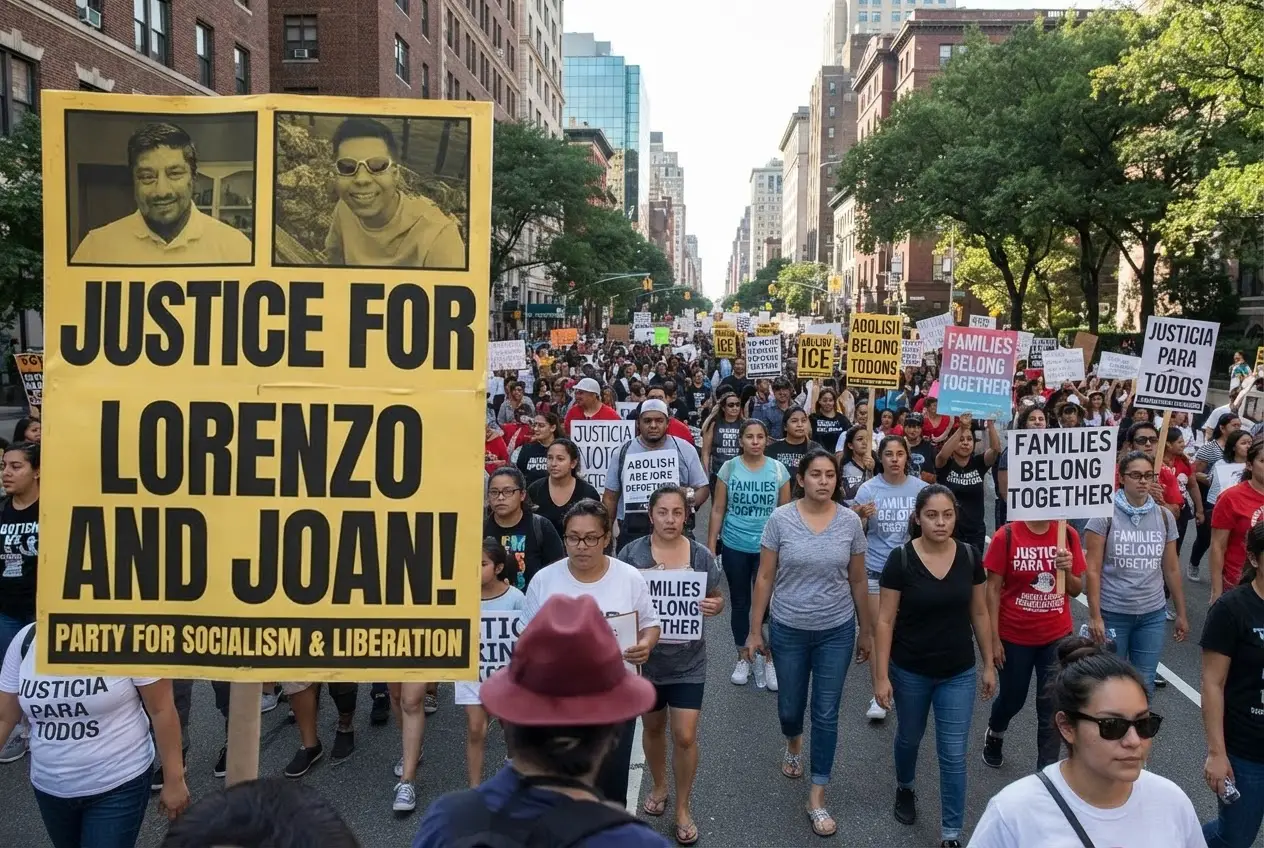
Judge orders release of key witness to fatal ICE shooting in Houston: What you need to know

A Houston federal judge ordered the immediate release of José Trinidad Rojas Pliego, a key witness in the fatal shooting where an ICE agent killed Mexican contractor Lorenzo Salgado Araujo on July 7. The judge ruled that Rojas Pliego’s detention violated his constitutional right to due process. Rojas’ testimony is crucial, as it directly contradicts the government’s official self-defense narrative, labeling the claim that the driver attempted to run over the agents as a “lie.” In addition to his release, the judge ordered protections for the witness while the community and local prosecutors evaluate possible criminal charges against the federal agents involved.

Read More
en_USEN