
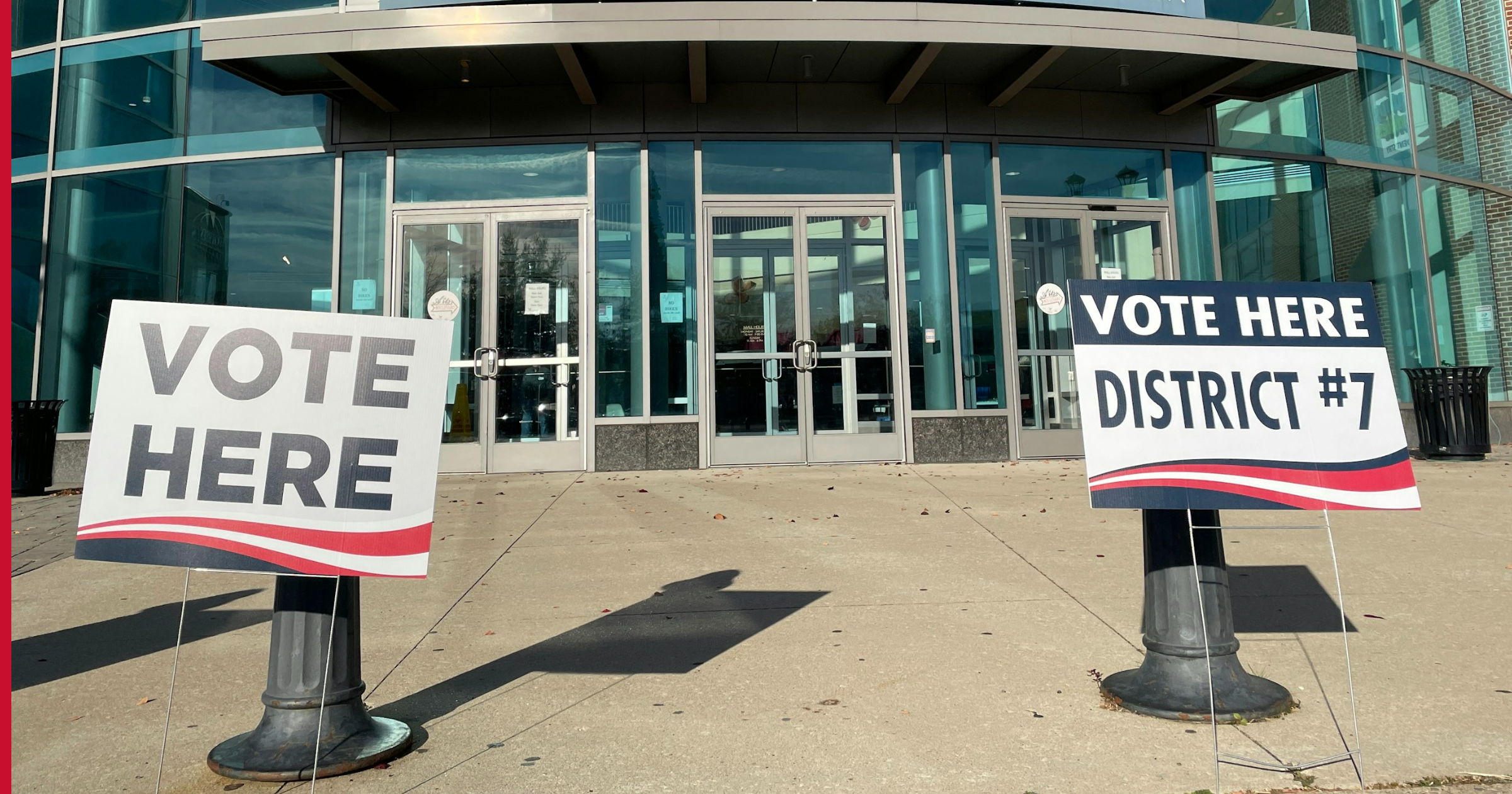
If you are a naturalized citizen, start here: your right to vote is identical to that of any other U.S. citizen. What is being litigated is whether a federal database can call it into question because of a recordkeeping error.
At Campos Law Firm, we closely monitor developments in U.S. immigration policy to protect our clients’ rights and future. Here is where the case stands and what protects you.
What did the government ask for, and where?
El 8 de septiembre de 2026, the Department of Homeland Security (DHS) filed an emergency application with the Supreme Court — docket 26A308, Department of Homeland Security v. League of Women Voters — to put on hold the order blocking expanded use of the GUARDAR system.
SAVE (Systematic Alien Verification for Entitlements) is a USCIS database built to check immigration status and eligibility for certain benefits. After a March 2025 executive order, it was overhauled to include records of U.S.-born citizens, allow searches by Social Security number, and permit bulk queries instead of individual ones.
The procedural history matters. U.S. District Judge Sparkle Sooknanan struck down that overhaul on 22 de junio de 2026, and a divided panel of the D.C. Circuit declined to stay her order in early September while expediting the appeal. The emergency application is the next step.
What did the judge say, and how does the government respond?
Judge Sooknanan found that the modified system violated three federal laws: federal privacy law, the Social Security Act, and federal administrative procedure law. She wrote that “the federal government has knowingly trampled on the privacy rights of American citizens in a manner that threatens the sacred right to vote.”
Solicitor General D. John Sauer called the ruling “indefensible,” arguing that “SAVE does not disqualify any voter; instead, it merely notifies the States whether the federal government can confirm citizenship.”
The two sides present very different numbers:
- DHS: the system verified the citizenship of more than 65 million voters across 26 states and flagged 28,635 potential noncitizens.
- The plaintiffs — the League of Women Voters and the Electronic Privacy Information Center — argue that a Social Security number does not establish citizenship. A former Social Security Administration general counsel put it plainly: “Social Security numbers are not verification of citizenship.”
- En Utah and Texas, some of the people the system flagged were later confirmed to be U.S. citizens.
Why does the system fail precisely for naturalized citizens?
Because federal records capture a snapshot from the time of the original filing. If someone entered as a permanent resident and naturalized years later, that record may still reflect the earlier status — and no one is required to update it in order to vote.
There used to be a human review step that caught those discrepancies. The 2025 overhaul removed it, and with bulk data uploads the error multiplies instead of being corrected. In Travis County, Texas, the state flagged 97 suspected noncitizens and al menos 11 resultaron ser ciudadanos confirmados.
What protects you, and what should you do if you are challenged?
Federal law (52 U.S.C. § 20507) sets out three specific guarantees, none of which depends on the outcome of this case:
- Advance notice: no one may be removed from the rolls without notice and a chance to respond.
- The 90-day rule: sistemático purge programs are barred in the 90 days before a federal election.
- Provisional ballot: if a problem with your registration appears on election day, you have the right to vote provisionally.
Practical steps:
- Comprueba si estás inscrito en el censo electoral on your secretary of state’s website, and check again before each election.
- Locate and safeguard your certificate of naturalization (Form N-550 or N-570) and your U.S. passport — they are conclusive proof.
- If you get a letter from your county questioning your citizenship, answer it within the deadline. Enviar un copia, never the original, and keep proof of mailing. Ignoring the letter is what triggers removal.
- Pide ayuda: la línea de atención de «Protección Electoral» en el número 866-OUR-VOTE (866-687-8683), o 888-VE-Y-VOTA en español, además de en la oficina del registro civil de tu provincia.
- Do not stay home out of fear. If your name is missing, ask for the provisional ballot.
One necessary warning: registering or voting without being a citizen carries serious immigration consequences, including inadmissibility. If you have any doubt about your own citizenship or an old record, talk to an attorney antes de going to vote, not after.
Protege tus derechos con el bufete de abogados Campos
A database error is not an IT problem when it happens to your family. It is a letter with a deadline, a line on election day, or a question about a file from twenty years ago. Those situations are resolved with documents and with deadlines met.
At Campos Law Firm we review your naturalization file, help you assemble proof of citizenship, and respond formally when an authority questions it. In a country where every decision can change your future, having the right information is your best tool.
No dejes tu situación migratoria al azar. Llámanos hoy mismo al +1 (844) 922-6767 para concertar una consulta gratuita y confidencial en inglés o en español. Bufete de Abogados Campos: soluciones jurídicas en todas las áreas del derecho.
 English
  Spanish